 Auto feminized varieties
 Indica
 Powerful varieties
 Photoperiodic varieties
 Sativa
 Fast flowering varieties
 Feminized varieties
 Indoor varieties
 Low grades
 Varieties for beginners
 Outdoor varieties
 For grow reports
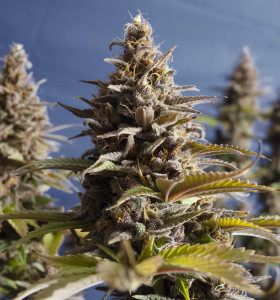
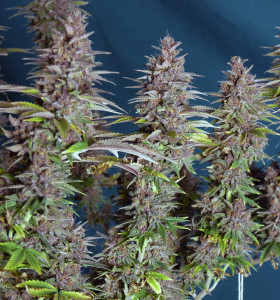
In Stock
Purple Haze
150 ₴
Specification
Height:
100-200 сm
THC:
20%
Yield:
600 g/m2
View:
80% Sativa, 20% Indica
Bloom:
12-18 weeks
Manufacturer:
Lestor Seeds
Description
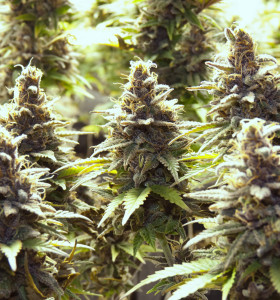
Purple Haze is a sativa variety from Lestor Seeds and
can be cultivated indoors (where the plants will need a flowering time of ±126
days) and outdoors. Lestor Seeds' Purple Haze is a THC dominant variety and
is/was never available as feminized seeds.
Purple Haze at last, the mythical tropical Purple Haze
of the 70s without being mixed and in all its magnificence is finally available
for all those nostalgic lovers of the old school sativas. In this version of
the Oldtimers Haze, we offer you a selection of purple and reddish phenotypes
with a strong influence of the purple highland colombian sativas, within the
genotypes of the original Haze population. Purple Haze is different from Lestor
Seeds because its stems and flowers ripe with impressive purple and reddish
colors. Their aromas are also darker: of black liquor and wild blackberry.
Resistance against SPIDER MITE: Medium-Low
Resistance against MILDEW: Medium
Resistance against BOTRYTIS: Very High
Resistance against COLD: Medium-High
GENETICS: 100 % sativa. Hybrid of tropical sativas of
the 70’s, with a strong dominance of purple highland colombian sativa.
FLOWERING: 16-20 weeks. December-January.
STRUCTURE: Extreme tropical sativa of pale colors, but
when it ripens it acquires beautiful purple tones and reddish edging under its
leaves. Very thin and flexible stems that can cope with the worst downpours and
blizzards.
YIELD / M2: Medium-Low.
BOUQUET: Wood, species, incense and black liquor.
Ancient old school sativa aroma.
HIGH: Clean euphoric and creative high without
tolerance limits.
GROWING TIPS: For indoor growing, we mostly recommend
her for extreme sativa lovers or for breeding projects or seed production.
For outdoor growing, it requires a tropical or
subtropical climate in order to reach its full potential. However, it can be
easily bred within latitudes of 20º-35º, where we recommend a warm and coastal
climate. The use of a greenhouse is very helpful for the ripening in
non-tropical latitudes.
It requires
medium-low levels of nutrients, especially of Nitrogen. For outdoor growing,
it’s best to mix a good base of organic soil rich in guano and humus, and then
plant the seeds in a sunny place and leave them to grow at their own rhythm
almost without using fertilizers or stimulators.